
For decades, Uganda’s young people have too often been portrayed as powerless victims, ghetto dwellers with no future, struggling boda riders, or jobless graduates.
This narrative paints a picture of despair, yet it overlooks the real progress unfolding across the country. Uganda’s youth are not a burden. They are the nation’s greatest asset, and government programs are steadily unlocking their potential.
The Parish Development Model (PDM) is one of the most transformative initiatives at the grassroots. In just a few years, over 8,400 SACCOs have been formed nationwide, each with special provisions for youth and women.
From poultry farms in Masindi to horticulture projects in Kabale, young people are using low-interest PDM loans to launch agribusiness ventures. These are not stories of survival, they are stories of prosperity in motion.
The Youth Livelihood Programme (YLP) has also reached more than 200,000 beneficiaries since its inception.
In Kampala, groups of boda riders have upgraded into transport cooperatives, pooling resources to buy better motorcycles and achieve financial stability.
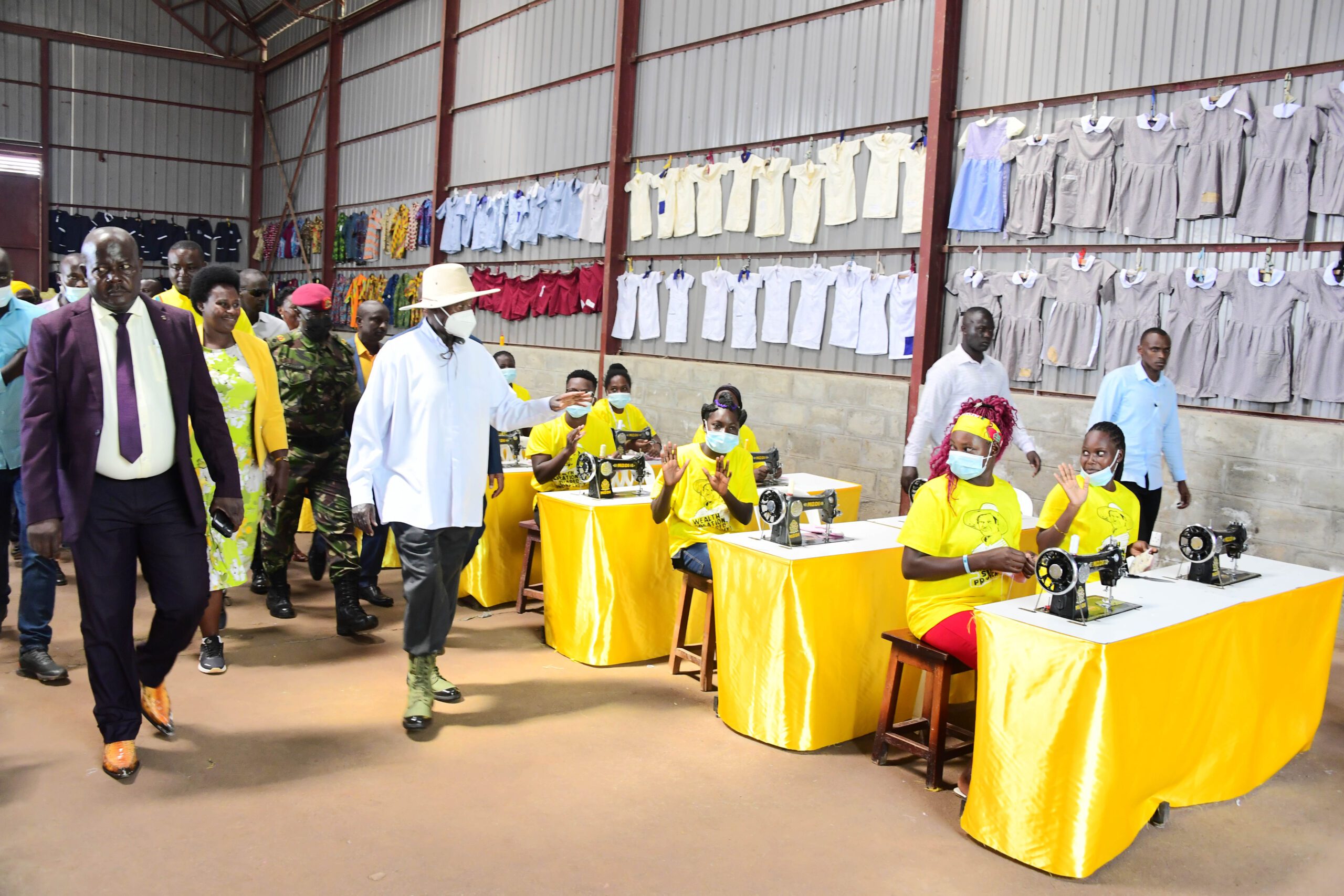
In Lira, young women trained under YLP are running tailoring businesses, supplying school uniforms, and creating jobs for fellow youth.
Recognizing that skills are the bridge between dreams and jobs, government has established Skilling Hubs across Uganda. These centers train young people in welding, carpentry, tailoring, ICT, and agribusiness. The hubs are not just issuing certificates, they are building confidence.
Take the story of Sarah, a 23-year-old graduate of the Mbale Skilling Hub. With her tailoring skills, she opened a workshop that now employs three other youth and supplies garments to schools.
In Mbarara, James combined his training in poultry management with a PDM loan to expand his chicken farm. Today, he sells more than 1,000 eggs weekly, lifting his family out of poverty.
The world is changing, and Uganda’s youth are not being left behind. ICT Centers in Kampala, Gulu, and Mbarara are equipping youth with digital literacy, coding, and online business skills. Many have tapped into global markets through freelance work.
Brian, a young man from Gulu, learned web design at a government-supported ICT hub. Within months, he secured contracts from local businesses and NGOs, and today he trains others in the same field.
These stories highlight a powerful truth: Uganda’s youth are not “enslaved.” They are resilient, creative, and determined builders of the nation. What they need is access to credit, skills, technology, and mentorship. Government programs such as PDM, YLP, Skilling Hubs, and ICT Centers are ensuring that access.
As more youth seize these opportunities, Uganda’s story will shift from one of despair to one of renewal. From ghetto streets to university corridors, from boda stages to digital platforms, young Ugandans are writing a new chapter, one of dignity, productivity, and hope.
The narrative of hopelessness does not reflect today’s reality. Uganda’s next generation is not condemned to victim hood, as some politicians want to portray it. They are the engine of transformation, and with the right support, they are proving every day that their energy is building the Uganda of tomorrow.