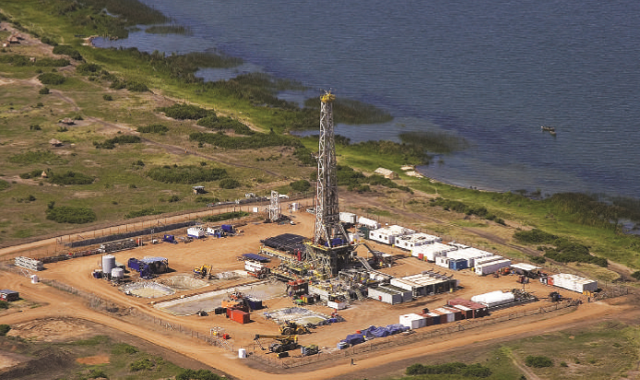
In a bold step to ensure that oil becomes a blessing rather than a curse, the Government of Uganda, in partnership with the Bank of Uganda, has introduced the Petroleum Revenue Investment Reserve, a strategic fund designed to sustainably manage the country’s oil revenues for both current and future generations.
Rather than allowing oil wealth to be misused or lost to corruption, the new reserve aims to channel revenues into critical national sectors such as healthcare, infrastructure, education, and technology areas that can uplift the lives of all Ugandans.
During a Bank of Uganda podcast on Friday, June 27, 2025, Martha Kiiza Kalema, Team Lead of the Petroleum Funds Management Division, explained how the fund will serve both present and future generations.
“Uganda is about to start earning from oil,” Kalema said. “But how will that money be managed? Who decides where it goes? And how do we ensure it benefits all Ugandans today and for generations to come?”
“This is not just about money; it is about building a future where every Ugandan can thrive,” she added.
She explained that the Bank of Uganda holds the main petroleum fund account and is responsible for overseeing the strategic investment of oil revenues. The Petroleum Revenue Investment Reserve functions as a national savings account, intended to preserve wealth for future use, especially after oil production eventually declines.
“We are already investing in projects that directly benefit Ugandans, like the Hoima City Stadium, oil roads, and other key infrastructure,” Kalema said. “If managed well, oil revenues can transform Uganda, enabling us to build world-class hospitals, schools, and modern cities.”
She emphasized that the fund is designed to be inclusive, ensuring that all Ugandans, from pastoralists in Karamoja to farmers in Kalagala, benefit from the country’s oil wealth.
Kalema drew comparisons with the United Arab Emirates, noting that in the 1960s, Dubai faced similar challenges as Uganda today, like limited infrastructure and underdeveloped public services. But through disciplined investment in sovereign wealth funds, the UAE transformed into a thriving, globally admired economy.
“Everyone wants to go to Dubai today not just because they have oil, but because they managed their oil wealth wisely. That is what we are aiming for,” she said.
Additionally Uganda has studied the painful lessons of oil-rich countries that went wrong.To prevent the corruption and mismanagement that have plagued nations like Nigeria and Venezuela, the Bank of Uganda has established stringent governance frameworks. These include strong oversight laws, transparent reporting structures, and diversified investment strategies, including placing part of the petroleum revenues in international investments to reduce risk and maximize long-term returns.
“We have conducted extensive research on countries that mismanaged their oil wealth so we can learn from their mistakes and do better,” Kalema emphasized.
As Uganda approaches the production of its first barrel of oil, the Petroleum Revenue Investment Reserve stands as both a financial tool and a national symbol,a promise that with vision, transparency, and careful planning, Uganda’s oil can be a source of lasting prosperity, not a source of division or regret.